
Committee Information
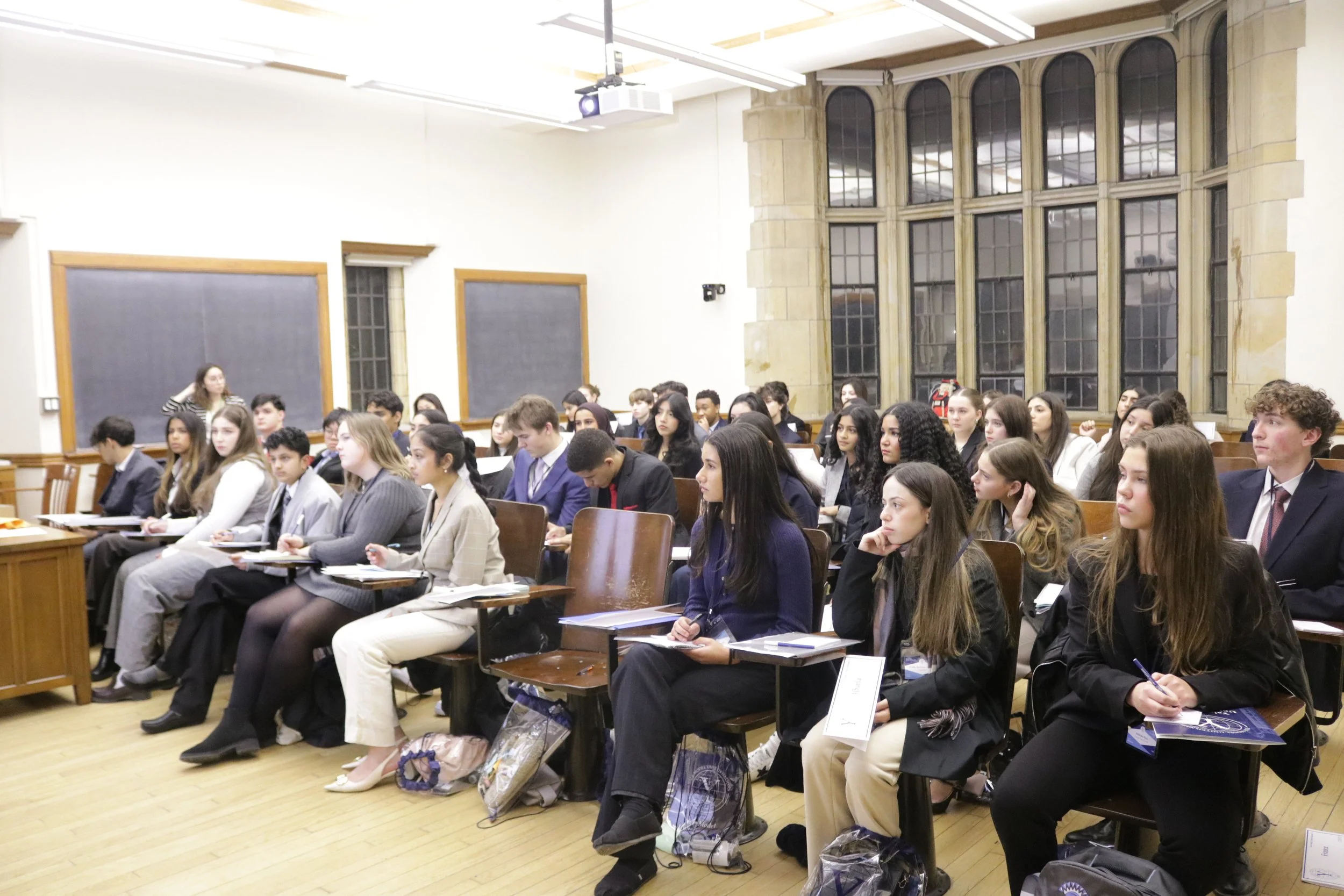
YMUN LIII offers 53 committees, including:
large General Assemblies
fast-paced, intimate crisis committees, including an Ad Hoc committee and a Joint Crisis Committee
an introductory committee and a beginner committee for delegates with no and minimal experience, respectively
three virtual committees
a Spanish-speaking committee
General Assemblies
Size: 60-80 delegates
Subject matter: Real UN committees with real-world topics
Best for: Delegates hoping to conduct thorough research, advocate for their ideas, and work effectively with many other delegates in large, diverse diplomatic spaces
Under-Secretary-General: Ms. Talia Philip
-
This committee will be a large GA with ~100 delegates, meant to more accurately simulate the real United Nations General Assembly experience.
Chairs: Marah Rigaud, Micah Draper
Topic 1: Building Climate Resilience in Small Island Developing Countries
Year after year, the effects of climate change on our planet intensify, and small island developing states (SIDS) are on the front lines of rising sea levels, devastating storms, and species extinction. Although these nations contribute minimally to global carbon emissions, they face the greatest threats to their economies and infrastructure. Efforts to rebuild climate resilience in these nations (sustainable development, disaster preparedness, climate financing, etc.) are often hindered by resource constraints and inequitable access to global support systems. This committee is uniquely positioned to concoct innovative solutions that strengthen resilience, allocate funding, and ensure that small island developing nations are not left behind in the global fight against climate change.
Topic 2: Accelerating Integration of SDG Goals in Conflict-Affected Countries
The objective of Sustainable Development Goals (SDGs) is to promote sustainable futures that foster inclusive economic growth, equity, and environmental resilience. In conflict-affected countries, however, the realization of these goals is often hindered by political instability, weakened institutions, and disrupted social systems. Oftentimes, it is developing countries that receive the consequences of conflict at a disproportionate rate. Accelerating SDG integration in these contexts requires policy shifts that prioritize peace-building, institutional capacity, and equitable resource distribution. The purpose of this committee regarding this topic is to align humanitarian, development, and governance efforts to better address the root causes of conflict while advancing long-term stability and sustainable development.
-
Chairs: Penelope Day, Angel Ortiz, Marshall Anderson
Topic 1: Defining Legal Personhood for Stateless Individuals and Refugees
Many individuals fleeing systemic collapse do not fit under contemporary legal conventions, thus leaving them in a state of long-term insecurity. This committee topic explores the failure of international institutions, such as the UN, to define legal personhood for stateless individuals and refugees, such that they are left in “legal limbo”, without guaranteed rights and vulnerable to exploitation or detention. It also asks how the international community should best economically and politically support nations navigating the global refugee crisis, particularly those welcoming stateless persons and accommodating asylum seekers. Finally, this committee considers the intersectional identities of many displaced persons, who may also experience racial, religious, or gender-based discrimination as they seek security or asylum — is there a way to legally protect these individuals across international boundaries?
Topic 2: Regulating Private Military Contractors Under International Law
Private military contractors (or PMCs) have seen significant growth in the last few years. As states outsource military functions, groups like Blackwater and Wagner Group have emerged as powerful actors operating across borders in pursuit of strategic interests. Equipped and trained at levels comparable to national militaries, they represent a modern evolution of mercenary warfare and are blurring the line between public authority and private force. Their rise presents serious challenges. PMCs often operate in legal gray zones, where accountability is limited, and allegations of human rights abuses and destabilizing interventions persist. Existing frameworks remain insufficient, leaving gaps in oversight and enforcement. The United Nations stands at a critical juncture. Delegates must consider: how can international law effectively regulate private military contractors while ensuring accountability, protecting sovereignty, and safeguarding human rights?
-
Chairs: Jack Carney, Awa-Bilan Amarreh
Topic 1: Establishing Norms for Cyber-Warfare and State-Sponsored Cyber-Attacks
As the battlefield moves off the physical map in the modern age, it has been essential for nations to adapt their defense techniques. As we continue to project power through the computer rather than more conventional force, state-sponsored cyber-attacks have crippled hospitals, paralyzed national energy, and undermined the democracy that many countries depend on, often without ever triggering any real physical armed conflict. The international frameworks that already exist were created in an era when tanks and soldiers dominated the battlefield, and struggle to define what constitutes an act of war in the cyber realm. The ambiguity here is prone to major escalation; when any nation is capable of instigating with just a computer, the risk grows by the day. Delegates will grapple with how to establish enforceable norms of state behavior in cyberspace, while balancing the security interests of nations against the urgent need to protect physical infrastructure and preserve stability.
Topic 2: Verification Process of Nuclear Disarmament and the NPT Review Process
As more than half a century has passed since the signing of the Non-Proliferation of Nuclear Weapons, the cornerstone of the disarmament regime remains. Yet, the foundation is slowly starting to show its cracks. Many recent review conferences have ended without a consensus, non-nuclear states have grown frustrated by the slow pace of Article VI obligations, and many emerging technologies are beginning to reshape what credible verification could look like. Without any robust mechanisms to confirm that warheads have actually been dismantled, fissile material accounted for, and treaty commitments honored, disarmament risks are becoming a very feeble promise. This committee will examine these very issues, and delegates will consider how the international community can strengthen verification protocols, restore faith in the NPT review process, and create a better path towards an era of reformed competition.
-
Chairs: Wendy Guo, Gianni Casadei, Andrew Choi
Topic 1: The Rights of Indigenous Peoples in the Context of Land and Resource Extraction
As demand for minerals, fossil fuels, timber, and other natural resources continues to rise, Indigenous peoples around the world face growing threats to their lands, livelihoods, cultural heritage, and self-determination. Resource extraction projects can bring economic development and infrastructure, but they often proceed without meaningful consultation, fair compensation, or the free, prior, and informed consent of affected Indigenous communities. This topic asks delegates to confront a central dilemma: how can the international community balance development and environmental transition with the rights of Indigenous peoples to protect their territories, resources, and ways of life? Delegates will consider the responsibilities of states, corporations, and international institutions in preventing displacement, environmental harm, cultural loss, and violence against Indigenous land defenders.
Topic 2: Combating Gender-Based Violence, Specifically Femicide, in Conflict
Armed conflict intensifies existing gender inequalities, leaving women and girls vulnerable to sexual violence, displacement, trafficking, domestic abuse, and targeted killings. Femicide, the gender-related killing of women and girls, represents one of the most extreme consequences of this violence, especially when conflict weakens legal systems, disrupts social services, and allows perpetrators to act with impunity. This topic calls on delegates to examine how the international community can prevent and respond to femicide in conflict-affected settings, while also addressing the broader structures that make gender-based violence more likely during war. Delegates should consider survivor protection, humanitarian access, accountability mechanisms, peacekeeping mandates, data collection, and the role of women in peacebuilding and post-conflict reconstruction.
-
Chairs: Ivan Sun, Annabeth Meeks, Ellen Wang
Topic 1: Preserving Endangered Languages and Linguistic Diversity in the Digital Age
Of the more than 7,000 languages spoken worldwide, only 20-30 command a meaningful digital presence. As these dominant languages dictate the architecture of software, algorithms and AI training datasets, this substantial gap places nearly half of the world's languages at risk of extinction by the end of the century—Indigenous languages disproportionately among them. With linguistic diversity shaping how humans interpret the world, this mass extinction threatens a homogenization of human thought. Large language models, trained overwhelmingly on English datasets, embed linguistic inequality into the very technologies shaping global communication, accelerating the erosion of minority languages, particularly amongst younger generations. Yet AI presents an unprecedented opportunity: machine learning tools are now capable of transcribing, translating, and geographically mapping endangered languages at scale, offering communities a means of preservation before their last speakers are gone. This committee calls on delegates to determine how technology, ethical AI, and international diplomacy can safeguard linguistic diversity for generations to come.
Topic 2: Repatriation of Colonial-Era Artifacts and Cultural Property to Countries of Origin
An estimated 90% of Sub-Saharan Africa’s cultural heritage is housed not on African soil, but in European museums and private collections—marking a legacy of centuries of colonial extraction. The British Museum alone holds roughly 8 million artifacts, and about 73,000 of these 8 million originate from Sub-Saharan Africa and have roots in colonial enterprises. Museums such as the British Museum argue that their collections are universal to the public and allow for widespread access and improved care. Nevertheless, the colonial extraction that permitted the formation of these collections is undeniable. Without a binding international framework to resolve disputes over ownership, demand for the return of these artifacts persists. This committee urges its delegates to examine the jurisdiction of international law and its intersection with ethical frameworks when it comes to cultural ownership and the processes surrounding repatriation of these artifacts.
-
Chairs: Sion Joo, Olivia Xu, Mira Lehman
Topic 1: Protecting Unaccompanied Minors in Refugee Flows
Unaccompanied minors are considered the most vulnerable population within refugee flows due to their increased risks of trafficking, exploitation, forced labor, child marriage, violence, and lack of access to healthcare and education. Many must endure dangerous migration routes and overcrowded refugee camps while also struggling to obtain legal documentation, asylum protections, and family reunification support. Delegates should determine how to strengthen protections for unaccompanied minors in all stages of displacement or migration, as well as how to address gaps in international coordination, asylum procedures, child protection systems, humanitarian funding, and national security. Without improvement in refugee camp conditions, education and physical and mental health services, anti-trafficking, more effective legal systems, and other UNHCR actions, unaccompanied minors will lack safety, stability, and healthy development.
Topic 2: Addressing Climate-Induced Displacement, “Climate Refugees”
According to the Global Report on Internal Displacement, natural disasters caused nearly 32.6 million internal displacements in 2022; according to the World Bank Groundswell Report, natural disasters will cause over 216 million displacements by 2050 without the necessary global action. Delegates should evaluate how to respond to climate migration while balancing humanitarian obligations, state sovereignty, and sustainable development goals. As climate disasters become more frequent and severe, especially in regions experiencing conflict, poverty, or instability, it is increasingly critical to coordinate safety and permanent solutions. The UNHCR must expand legal protections for climate-displaced persons, strengthen aid, and better resettlement and adaptation frameworks, among other actions, to address climate-induced displacement.
-
Chairs: Tiffany Zhou, Sammie Lin, Cece Wei
Topic 1: Child Malnutrition and Food Security in Conflict-Affected Countries
Child malnutrition remains one of the most urgent humanitarian crises across nations affected by conflict. Armed conflict poses a major threat to food production as infrastructure, including factories and farmlands, faces destruction. Contamination from debris and other toxic runoffs renders food supplies unsafe to consume. Conflicts also displace families, leaving children especially vulnerable to hunger and disease. This topic calls on delegates to consider how the international community can contribute to providing humanitarian aid, supporting long-term recovery efforts, and promoting accountability for violations of international humanitarian laws. In this committee, we hope that delegates will engage in productive and collaborative debates that address both the immediate needs of children facing hunger and the broader conditions that cause malnutrition to persist during conflict.
Topic 2: Ending Child Labor in Global Supply Chains
Child labor has persisted throughout history and was significantly exacerbated by industrialization. As globalization expanded trade networks, supply chains became deeply embedded in the economies of developing nations, often at a serious human cost. The demand for cheap labor has been directly linked to rising rates of child labor, especially in areas such as agriculture, manufacturing, and mining. Weak policy enforcement, lax human rights regulations, socioeconomic vulnerability, and limited access to education collectively sustain environments where child labor thrives. Delegates are encouraged to consider how UNICEF can hold corporations and governments accountable to eradicate child labor from global supply chains, while supporting the economic development of vulnerable communities.
-
Chairs: William Mahoney, Carter Cashen, Julien Amsellam
Topic 1: Addressing the Global Illegal Synthetic Opioid Crisis
Without adherence to national borders or international law, synthetic opioids are trafficked from laboratories through supply chains globally. The organic drugs of previous decades required large fields and vast resources to produce at scale; therefore, international authorities could target these centers of cultivation. Synthetic opioids, however, can be produced in small labs with rudimentary technology, leaving production decentralized and undetected. Many of these drugs are fabricated in less developed countries without the resources to regulate the massive financial resources of these criminal enterprises and cartels. In a twist of cruel irony, it is in these same places — Africa, South Asia, and Central America — where millions of people still lack basic, medical opioid pain relief. The United Nations Office on Drugs and Crime stands charged with crafting an international strategy to stop the rapid expansion of synthetic opioids and mitigate the resulting public health crisis— to stifle supply, frustrate distribution, and ease addiction.
Topic 2: Combating Transnational Organized Crime and Human Trafficking Networks
Organized criminal networks frequently hide in plain sight. Human trafficking in particular often goes unnoticed, unreported, and thus unpoliced even within single jurisdictions. Multinational criminal enterprises are even more elusive and pernicious. Many nations, of course, share a desire to crack down on organized crime, making international law enforcement fertile ground for cooperation between U.N. member states. But barriers remain: state-sponsored criminal organizations, conflicting domestic laws, increasingly complex cybercrime, and tangled webs of alliances all pose challenges to international cooperation in law enforcement. The United Nations Office on Drugs and Crime convenes to facilitate that cooperation. Delegates should consider how to balance competing national priorities while crafting a cohesive crackdown on criminal conspirators.
-
Chairs: J.G. Hodge, Brent Wang, Giancarlo Angelats
Topic 1: Pandemic Preparedness and Equitable Vaccine Distribution Post-COVID
The COVID-19 pandemic, both during and after its spread, has highlighted intense disparities in healthcare infrastructure and access to vaccines, and the need for stronger and more coordinated preparation for pandemics of this magnitude. This committee challenges delegates to develop structures for global health responses to ensure that vaccines and other preventative measures are implemented quickly and equitably. Particularly, delegates ought to prioritize lower-income countries that are the most vulnerable to future global health crises.
Topic 2: Rise of Non-Communicable Diseases in Developing Countries
As many developing countries experience urbanization and changes in living standards, many non-communicable diseases (NCDs)—including cardiovascular disease, diabetes, and cancer—have emerged as a growing public health crisis, which puts strains on already-fragile healthcare systems. Weak regulatory systems, gaps in health education, and unequal access to essential medicines further exacerbate this issue. Within the mandate of the World Health Organization, this topic calls on delegates to strengthen national health systems while advancing global frameworks for NCD prevention, monitoring, and treatment.
-
Chairs: Aaron Ma, Andrea Bylykbashi
Topic 1: Financing the Green Transition in Developing and Emerging Countries
As the climate crisis accelerates, developing and emerging countries face the challenge of pursuing economic growth while striving for sustainable systems of energy, industry, and infrastructure. Although these nations are often among the most vulnerable to climate change, many lack the financial and technological resources needed to fund green development. Existing climate finance mechanisms remain uneven, with persistent gaps between global pledges and actual funding delivered. This committee will explore how financial institutions, public-private partnerships, debt relief, technology transfer, and other initiatives can better support the green transition. ECOFIN is uniquely positioned to address how the global economy can mobilize sustainable financing without placing disproportionate burdens on countries still working to reduce poverty, expand development, and strengthen economic resilience.
Topic 2: Regulating Cryptocurrencies and Digital Assets in Developing Countries
The financial landscape of the developing world is transforming overnight. While decentralized digital finance can expand access for the unbanked and encourage innovation, it also threatens to expose vulnerable markets to severe volatility, fraud, and illicit financial flows. As emerging economies become global testing grounds for digital asset adoption, often seeing crypto usage outpace traditional banking infrastructure, many lack the institutional capacity and regulatory frameworks needed to manage these sudden economic shocks. In ECOFIN, delegates will tackle this high-stakes dilemma by developing regulatory approaches that protect consumers, combat money laundering, and safeguard economic stability without stifling the technological progress that could drive inclusive growth. Delegates will have to consider how developing countries can embrace financial innovation while ensuring transparency, accountability, and long-term economic resilience in an increasingly decentralized era.
-
Chairs: Myla Toliver, Ayushi Das
Topic 1: Decolonization in the Remaining Non-Self-Governing Territories
At present, there are 17 Non-Self-Governing Territories (NSGTs) such as American Samoa, Guam, Western Sahara, French Polynesia, and Gibraltar under the control of France, New Zealand, the United Kingdom, and the United States. It should be noted that, according to the UN Charter, these territories are those of peoples who have not yet attained a full measure of self-government and whose governments are committed to assisting them in political development. Despite that, progress has not been made for these territories. First, the territories are usually not regarded as states and do not have any benefits in fighting against the administering powers, which are more advanced than they are in military power, economy, and politics. These developed nations have the ability to refuse them the opportunity to be recognized as members of the United Nations. Second, colonization led to the region's inappropriate economic and social development. Overall, this committee topic is designed to address the challenges between current countries and territories that wish to be recognized.
Topic 2: Reforming the UN Peacekeeping Mandate and Accountability
The UN peacekeeping mandates were created by the UN Security Council to neutralize global conflicts through the facilitation of peace treaties, the support of elections, the monitoring of ceasefires, and the protection of civilians. The “peacekeepers”, blue-helmeted UN personnel, have been revered for helping to resolve conflicts in El Salvador, Mozambique, and Cambodia. Despite this, their peacekeeping efforts have been criticized for not intervening in every conflict with the same level of investment, specifically in conflicts where the opposing party against intervention, or the aggressor itself, is a prominent UN member. This committee topic challenges delegates to inquire about the various authority dynamics of this imbalance and design intervention policies rooted in accountability and equity.
Economic & Social Councils
Size: 30-50 delegates
Subject matter: Real UN committees with real-world topics (narrower focus than GAs)
Best for: Delegates hoping for a GA-like experience, debating more specific topics in a smaller setting
Under-Secretary-General: Mr. Leo Gabara
-
Chairs: Ivan Pankov, Swetha Sivakumar
Topic 1: Ensuring Equitable Access to AI in Developing Counties
Given the disproportionate negative environmental impact that developing countries face due to the demand and construction of AI data centers in developed economies, it is particularly important that these nations have equitable access to the benefits of the technology as well. AI systems have potential to affect progress in healthcare, drug discovery and administrative efficiency, key focuses for developing countries. One factor for delegates to consider is language and accessibility, as most of the strongest models are based on English and Chinese as the most widely represented languages. Ensuring equitable access involves ensuring that a variety of languages are better represented and that AI models are usable around the world. Delegates should likewise consider the collateral effects of chip manufacturing on developing countries, which remain the primary sources of the raw materials involved in their production and which still possess poor labor standards.
Topic 2: Non-Defense Uses of Space Technology
The space sector remains on the leading edge of scientific progress despite losing direct relevance in public discussion. Currently, the majority of public and private spending on the sector is directly or indirectly associated with defense procurement. Delegates should consider non-militaristic, cost-effective, and equitable approaches to uses of space and relevant technologies through an international framework. Space tech has extensive civilian applications, ranging from energy production, disaster prediction and prevention, and AI data centers. Satellites make it possible to continuously monitor the Earth and make climate patterns more noticeable, particularly important in our era of rapid human-caused climate change. This has potential for helping scientists predict droughts, and climate disasters and take measures to mitigate these threats before they escalate. This allows communities to adapt before crises become catastrophic.
-
Chairs: Youssef Mazouz, Avril Kong, Catrina Chen
Topic 1: Financing Climate-Resilient Rebuilding Efforts in Disaster-Prone Developing States
Preparing for and preventing natural disasters is essential, and responding to them in such a way that makes future disasters less likely is one important component of this prevention. When buildings and homes are destroyed and rebuilding is necessary, the planning and construction must be done to make the structures more resilient to future disasters. Obtaining the knowledge, training, and materials necessary for this kind of sustainable development can be more expensive than less responsible reconstruction, and this can pose a major challenge for residents and governments of low- and middle-income countries. Delegates should consider how the international community can support developing nations in financing climate-resilient construction. This might include reducing the cost of policy development through location and building regulation recommendations and providing aid for training, components, and other expenses of the construction itself.
Topic 2: Universal Coverage of Early Warning Systems
Early warning systems for natural disasters are critical for and limiting damage, allowing for more time to prepare and for people to evacuate. Worldwide coverage by such systems is limited, however, leaving many communities more vulnerable to catastrophic storms, droughts, and fires. Early warning systems require technology and organization for monitoring and forecasting events and effectively communicating information to those in affected areas, posing challenges for places without the necessary infrastructure. International cooperation can help expand the reach of early warning systems via the sharing of financial and material resources as well as information related to disasters themselves. Delegates should consider how to leverage geographic diversity and scientific progress to improve and expand disaster warning networks, improving disaster preparedness and response around the world.
-
Chairs: Sofia Costa Franco, April Secore, Tiffany Wang
Topic 1: Right to Housing in Developed Real Estate Markets
The lack of available and affordable housing in countries with highly developed real estate markets like the United States and much of Western Europe leads to problems of homelessness and poverty, forcing people to spend high proportions of their incomes on housing. The rise of housing costs, when not accompanied by a compensatory rise of wages or policy targeted towards adjusting federal wages has inspired widespread global concern among future generations. To address housing costs and housing availability, it is imperative that delegates weigh the impacts of a worrying community while balancing the feasibility of large-scale affordable housing. Delegates should consider how international policy recommendations and development goals can contribute to domestic housing policies and lead to multi-country frameworks that improve access to affordable housing. There are multiple dimensions to possible solutions, including creating more housing supply and lowering costs of housing that is already built.
Topic 2: Balancing Privatization and the Right to Healthcare
The right to universal healthcare is one of the most contentious issues facing human rights discussions today. In developing countries, discussions often center around access to basic healthcare services, the need for modern technologies that can support the eradication of widespread diseases, as well as the intersection between poverty and the inequitable distribution of medical care. In developed countries, where healthcare systems are more advanced, privatization has rapidly increased, which has excluded lower-income populations from receiving the best care. In light of these changes, delegates should consider how to balance market-driven approaches with the expectation to ensure universal and accessible care. This includes examining regulatory frameworks, public-private partnerships, and mechanisms to prevent disparities in access between different socioeconomic groups. As healthcare becomes increasingly influenced by profit incentives, the international community must explore ways to safeguard healthcare as a human right while still leveraging the potential benefits of private sector involvement.
-
Chairs: Hannah Yang, Joseph Or
Topic 1: Addressing the Environmental and Health Impacts of PFAS and Other Persistent Pollutants
PFAs and other so-called “forever chemicals,” known for their ability to resist natural degradation, have been found in the environment and waterways across the world. Originally valued for their heat resistance and industrial versatility, they have become common in a litany of commercial products. However, PFAS compounds are now linked to a growing number of negative environmental and health effects, including various cancers, endocrine disruption, and developmental harm, with these burdens falling disproportionately on communities living near industrial sites and infrastructure. In this topic, delegates will be tasked with coordinating international responses to PFAS contamination, balancing environmental remediation with public health protection and industrial regulation. For instance, consider restrictions or phase-outs of non-essential PFAS applications, drinking water access and monitoring standards, mechanisms for cleanup, or finding alternatives to “forever chemicals.” Through collaboration between member states, UN bodies, and international NGOs, delegates will have the opportunity to build frameworks that protect current and future generations from the long-lasting impacts of PFAS contamination.
Topic 2: Combating Wildlife Trafficking and Environmental Crime
Environmental crime, especially wildlife smuggling and trafficking, is prevalent globally, particularly in countries with little political motivation or capability to enact or enforce relevant regulations. It poses a threat to endangered species and biodiversity, and also carries economic dangers, as an illicit industry and one that can threaten sectors like tourism. Furthermore, the unregulated transport of some organisms can lead to the spread of invasive species or nonnative diseases from their places of origin to other parts of the world, creating more environmental risk and dangers to public health. Consider strengthening legal frameworks, implementing anti-corruption measures, employing more advanced systems for cargo profiling, or exploring community-based solutions reducing local reliance on wildlife trafficking. Through all their solutions, delegates will need to consider international cooperation through the relevant agencies in the realms of both policy-making and enforcement.
-
Chairs: Rishi Sultana, Laina Allen, Alina Chakarova
Topic 1: Expanding Access to Reproductive Healthcare
A lack of access to reproductive healthcare can hinder economic mobility and socioeconomic status for women across the world. Limited access can make it more difficult for women to obtain levels of higher education, thus limiting future career prospects in both developed and developing countries. It also disproportionately affects women of color and low income women, who frequently face barriers to receiving medical care. Expanding access to contraceptives and family planning resources is critical for combating gender inequality globally, and especially in countries where such inequality remains entrenched. The international community can help facilitate greater reproductive healthcare access. Non-governmental organizations play an important role by providing reproductive care in places where the necessary infrastructure may not already exist. Delegates should also consider international health policy goals and recommendations, as they help individual countries approach the issue in the context of their own political and cultural realities.
Topic 2: Advancing Women’s Land Ownership and Property Rights in Developing Economies
Women have historically faced discrimination in the economic realm, particularly with land ownership and property rights. Inequalities are still deeply ingrained in many parts of the world, with women in developing countries facing legal and cultural barriers to property ownership. This limits economic and social mobility for women, as well as hinders national economic growth and poverty reduction. UN agencies can issue policy goals and standards for countries where women’s access to land and property remains the most limited compared to their male counterparts, contributing to a global push towards socioeconomic gender equality. Delegates should consider that such progress is likely to require legislative and cultural changes that occur over a long period of time and should understand that the many different relevant cultural environments may necessitate different approaches to this topic.
-
Only delegates who have never participated in a collegiate Model UN conference are eligible for this committee.
Chairs: Pranaya Balaji, Iverlyn Alicon
Topic 1: Countering Corruption and Perceptions of Corruption to Restore Public Trust in Government Institutions
Across both the developing and developed worlds, a lack of trust in public institutions hurts democracy, making democratic transitions more difficult and contributing to backsliding. Both perceptions of corruption and corruption itself harm citizens’ trust in their government, so ensuring ethical governance and preventing the appearance of impropriety are paramount. Confidence in international organizations like the UN is also shaken if people believe them to be corrupt or unfair. The international community must do its part to reduce corruption and increase transparency in its own agencies, promoting cooperation and legitimizing its institutions. Delegates should also consider how international administrative recommendations and requirements can increase transparency and accountability within countries at all levels of government, restoring faith in state authorities, increasing the effectiveness of government initiatives, and strengthening democracy.
Topic 2: Increasing Public Administrative Capacity in Least-Developed Countries
When countries lack administrative capacity to carry out essential government functions for their citizens, it makes the standard of living worse and renders development nearly impossible. Without the governmental ability to grow its own capacity, residents of least-developed countries continue to face a variety of other challenges that the public authorities could help overcome. In order for governments in least-developed countries to increase state capabilities and effectively serve their citizens, they need people with the training and skills to work in government agencies, and the public sector must be able to attract those people to government jobs in the long term. The international community can support countries in these efforts by helping with education and training and contributing to the financial resources that are critical to improving this kind of government function.
-
Chairs: Emma Qiao, Elizabeth Kim, Felix Meyers
Topic 1: Promoting the Integration of Migrants and Refugees into Social Protection Systems
Global instability has led to refugee crises around the world, from the Middle East to Central America, in some cases causing strains on the social safety nets of nearby countries. In order to ensure the greatest access to fundamental resources like food and shelter for these refugees and for countries’ citizens, safety nets must be able to adapt and continue to be effective while integrating migrants. Protecting the integration of migrants and refugees involves adjusting international policies in order to prioritize offering equal access and opportunity with the ultimate goal of fostering self reliance. Delegates should approach this topic with a deep understanding of equality in treatment and social security, as well as a desire to collaborate in order to protect those displaced. By strengthening and leveraging social protection systems, countries will not only increase standards of living, but also ensure coherence and support for a long period of time.
Topic 2: Addressing Global Food Insecurity
Food insecurity continues to affect billions of people across the world, disproportionately impacting those in low- and middle-income countries. It hinders socioeconomic mobility, decreases standard of living, and exacerbates other social and economic inequalities. The international community has a critical role to play in alleviating food insecurity. Delegates should consider cost-effective, equitable, and long-term approaches to food distribution chains, production, and waste management. In our current status quo, food insecurity has been perpetuated by global shocks such as energy price shocks and trade route disruptions. Food security allows for increased applications of humanitarian support, sustainable farming practices, and stable global relations. In our era of climate change, it is more important than ever to find a sustainable balance between production and consumption through advancing agricultural research and climate-resilient research. This allows communities to find a long-term solution before food insecurity effects diffuse into catastrophic socioeconomic conditions.
-
Chairs: Theresa Dowling, Samantha Salazar, Chanel Mohamed
Topic 1: Addressing Gender-Based Violence in Indigenous Communities
Rates of gender-based violence are significantly higher in indigenous communities around the world, posing a real and disproportionate danger for indigenous women and girls. Indigenous women face many forms of inequality, including lack of access to healthcare, education, and working wages, which can lead to discrimination and abuse. The prevalence of violence against women perpetuates these economic and social imbalances, compounding and exacerbating other issues that indigenous communities already face. Due to these inequalities, indigenous women often are unable to escape violence, as their lack of resources hinders their ability to choose. Delegates will need to consider policy at the international, national, and community level that can contribute to reducing this type of gender-based violence. Additionally, delegates should consider the roots of gender-based violence in indigenous communities, its connections to other social issues, and why it has persisted.
Topic 2: Protecting and Revitalizing Indigenous Languages
In addition to many struggles often faced by indigenous communities, the rapid decline of use and acquisition of native languages threaten the cultures and lifestyles of many indigenous groups. As there are over 4,000 languages spoken throughout the world, diversity of language spans across the globe and creates a vast web of communication and culture. Languages which have proportionally few speakers are often under-researched and at risk of going “extinct”, impacting primarily indigenous populations. Delegates exploring this topic should consider various ways in which languages can be protected from threats of extinction and strategies that may be utilized to revitalize indigenous languages currently struggling to maintain speakers and cultural connection. One key area of interest is education policy, as the ability to teach indigenous languages in schools is critical to their survival.
-
Chairs: Sienna Zarate, Ryan Wang
Topic 1: Assessing the Role of Central Bank Digital Currencies in the Global Financial System
With the rise of digital currencies around the world, it is critical for countries to understand whether and how they should be integrated into central banking systems, and the effects they can have on monetary policy. There is also the question of use in international frameworks like the Eurozone, further compounding the risks of corruption, harm to consumers, and undermining traditional economies. The nature of cryptocurrencies leads to potential of money laundering, intransparency due to the lack of regulations, and systematic instability. Yet, the cryptocurrency market has grown consistently over the past years. While there is a growing impact of cryptocurrency, it brings additional impact to traditional economies in different ways to both developing and developed countries. International organizations need to be proactive to ensure integrated world economies are prepared for an influx of these new currencies with potential far-reaching effects.
Topic 2: Addressing Sovereign Debt Crises in Developing Economies
Debt crises in developing countries hinder countries from technologically developing and therefore slow down GDP growth and overall economic development. This creates a lasting cycle of small amounts of growth being overshadowed by growing sovereign debt and its interest rates accumulating even further. Factors such as life expectancy, access to healthcare, and human welfare are thus linked to managing debt, and addressing debt crises can free developing countries to utilize growth towards research and development or the public sector. This means alleviating sovereign debt in foreign countries kickstarts their economies, with proper allocation of resources, to progress in the demographic transition and as a society as a whole. To address the debt within developing nations, delegates must consider how international organizations like the IMF can contribute to plausible sources of funding and redistribution, as well as creating debt policy guidelines to promote better outcomes within developing economies.
-
Chairs: Luke Peterson and Enisse Ndikumana
Topic 1: Labor, Jobs, and the Green Transition
Much of the world is in the midst of a shift away from fossil fuels and towards renewable energy to combat climate change, and this transition is a complicated undertaking. One concern that proponents of traditional energy sources raise is job loss from the decline in industries like coal and oil. They claim that those jobs will not be adequately replaced by opportunities in the renewable sector. Countries must ensure that as they make the switch to alternative energy, they create jobs and that these new industries contribute to economic growth, offsetting any losses that occur from the diminishing of the fossil fuel business. Delegates should consider how the international community can support the economic productivity of renewable energies, speeding up the transition and guaranteeing that it serves everyone.
Topic 2: Protecting the Rights of Migrant Workers
In many parts of the world, migrant workers do not receive the same labor protections and benefits as other employees, increasing economic inequality to the point of creating a permanent underclass. This absence of regulations even leads to human rights abuses and physical danger, as unsafe conditions and a lack of adequate equipment can cause sickness, injury, and death. Individual countries and the international community have a responsibility to protect migrant laborers, ensuring that they receive fair pay for their work and thus can support themselves and their families and have equal opportunity for socioeconomic mobility. In addition, there must be robust workplace safety guarantees for migrant workers; regulations need to prevent employers from cutting costs by neglecting the health of their employees who are migrants and noncitizens.
-
Topic 1: Preventing Political Instability and Unemployment Crises from Youth Bulges
In many developing countries with fast-growing populations, the youth population is rising disproportionately quickly. This leads to a surge in the number of working-age young people who can fill needs for labor, but it can also pose problems. If there are not enough jobs for the young people who need them, unemployment can rise, and if it is impossible to find work in their home countries, these people may choose to emigrate to search for it elsewhere, leading to a brain drain effect. Delegates should consider efforts to stabilize job markets to support the sharp increases in those looking for work, allowing the growth in the young population to contribute to economic development in the country as a whole. Furthermore, they must think about the consequences of unemployment crises, which can cause political instability, conflict, and violence.
Topic 2: Managing Rapid Urbanization in Developing Countries
As countries develop, people migrate from rural areas where work is mostly agricultural to cities, which hold a wider variety of economic opportunities. This often causes explosive growth in the population of a few cities in a country, and such extreme growth in a short period of time is difficult to manage. It leads to informal settlements where building is not regulated, leaving communities without utilities and vulnerable to disasters and the spread of infectious diseases, potentially creating public health crises. Delegates should consider how cities can prepare for influxes of residents and adapt to absorb them with stable, permanent housing. Ensuring that economic activity in multiple cities attracts people to settle in different places may also prevent just one or two cities from bearing the brunt of the challenges that come with rapid urbanization.
-
Chairs: Ava Cammarata, Hsien Loong Lim
Topic 1: Balancing Rehabilitation and Accountability in Juvenile Justice Systems Amid Rising Youth Crime
The global community is facing a surge in youth crime, fueled by poverty, gang activity, mental health challenges, and the growing impact of online influence. Addressing this issue requires a balance between protecting the rights of youth and maintaining public safety for the broader community. To reduce recidivism and ensure successful reintegration, juvenile justice systems must prioritize restorative justice, education, counseling, and viable alternatives to traditional incarceration. Furthermore, because issues like trafficking and online exploitation often cross borders, international cooperation is essential to dismantling the networks that prey upon young people. Delegates should focus on developing structures for early intervention and accountability measures that favor rehabilitation over purely punitive responses. A cohesive, international set of standards for humane, effective juvenile criminal justice systems is critical for reducing crime and improving lives around the world.
Topic 2: Combating Transnational Cybercrime Networks
The frequency and scale of international cybercrime attacks has increased as technology has developed over the last decade and a half, and the international community must become more capable of preventing and responding to such attacks. Moreover, some cybercrime groups are affiliated with national governments and act as proxies, emphasizing the need for an international regulatory framework to reduce this type of conflict. Delegates should consider the international law enforcement aspect of combating cybercrime and the close multilateral cooperation and development of strategy and protocol that would be needed. The security policy perspective is equally important, helping countries around the world strengthen their cyber defenses and ensuring access to the necessary skills and resources to be more resilient in the wake of major digital attacks.
Regional Bodies
Size: 20-30 delegates
Subject matter: Real UN committees with real-world topics focusing on regional issues and nations often marginalized in diplomatic circles
Best for: Delegates hoping for challenging, out-of-the-box debate in smaller bodies that are, increasingly, equally important as the UN General Assembly in shaping global discourse
Under-Secretary-General: Ms. Claire Guo
-
Only delegates who have never participated in a Model UN conference are eligible for this committee.
Chairs: Ishmeet Dhillon, Alex Nabit
Topic 1: Regulating Artificial Intelligence Under the EU AI Act Framework
As artificial intelligence (AI) systems become increasingly capable and integrated into social, political, and economic life, regulatory oversights and uneven enforcement standards pose significant risks to the privacy and security of everyday citizens. The European Union has already taken great strides in combatting the potentials for abuse that AI poses via the EU AI Act, which is the world’s first comprehensive, legally binding AI regulation. However, as the technology continues to evolve and exploits are found and abused, it is clear more work still needs to be done. In this committee, delegates will work together to refine and strengthen the EU AI Act Framework, aiming to foster joint technological responsibility for these systems. Delegates must think about all the potential uses of AI both for good and for evil, and decide how to best regulate this all-encompassing technology without stifling its potential benefits.
Topic 2: Strengthening Data Privacy and Cybersecurity Across the European Single Market
As Europe is beginning to become highly interconnected through trade, finance, technology, and digital communication, protections of personal data and security of digital infrastructure/systems continue to emerge as challenges for the future of the European Union. Differences in national capacity and resources, evolving cyber threats, and tensions between economic innovation and individual privacy have and continue to raise important questions about the way member states can work together while preserving sovereignty and public trust. In this committee, delegates are encouraged to explore how the European Single Market can develop a unified approach to data privacy and cybersecurity, strengthen cooperation across borders, and ensure that Europe remains secure in an increasingly digital world.
-
Chairs: Noor Ageli Shaban, Isa Nascimento Silva Pinto, Connor White
Topic 1: Expanding Climate-Resilient Agricultural Systems in Sub-Saharan Africa
Agriculture forms the backbone of Sub-Saharan Africa's economy, sustaining the livelihoods of over 60% of the population, yet the region remains among the most acutely vulnerable to the accelerating impacts of climate change. Erratic rainfall, prolonged droughts, and degrading soils are already disrupting harvests and deepening food insecurity across some of the continent's most fragile communities. This topic challenges delegates to design climate-resilient agricultural systems that go beyond theoretical sustainability: solutions must be durable under real environmental conditions and genuinely accessible to the rural smallholder communities that are both most exposed to climate shocks and least equipped to absorb them.
Topic 2: Advancing Intra-Africa Trade and Infrastructure Through the African Continental Free Trade Area (AfCFTA)
Drawing on the precedent of intra-continental trade agreements like the European Union and NAFTA, the AfCFTA aspires to achieve comparable levels of regional trade integration. Established in 2021, the AfCFTA encompasses 54 signatory nations and represents a combined market of over 1.3 billion people, making it the largest free trade area in the world by number of participating countries. Yet intra-African trade remains stubbornly low, accounting for only around 15% of total African trade compared to over 60% within Europe, a gap that reflects deep structural barriers rather than a lack of political will. Underdeveloped transport corridors, persistent regional conflicts, fragmented regulatory environments, and uneven access to digital payment infrastructure all complicate the path toward meaningful integration. This topic asks delegates to grapple with these obstacles and determine the best course of action to not only safeguard the AfCFTA's viability but deepen the economic ties that connect African nations to one another.
-
Chairs: Anthony Dominguez, Jessica Ramirez, Hajar Abdel-Rahim
Topic 1: Expanding Cross-Border Trade Corridors in the Gulf
Cross‑border trade corridors in the Arabian Gulf have become critical economic nexuses linking Asia, Africa, and Europe. Recent initiatives such as the India Middle East Europe Economic Corridor (IMEC) and the Iraq-Europe Development Road invested countless billions into mobilizing profitable trade flows in the region. Many of the infrastructural projects face expected challenges related to regulatory differences and environmental concerns. But beyond this, several unexpected conflicts in the Middle East have impeded development. This topic thus asks participants to propose tenable economic solutions that attend to those ever-changing geopolitical conditions.
Topic 2: Developing Smart Cities in Rapidly Expanding Gulf and Middle Eastern Urban Centers
Rapid urban growth in Gulf and Middle Eastern cities is driving an urgent push toward smart‑city development that integrates digital infrastructure, sustainable design, and modernized public services. Governments across the region are investing revolutionary technologies into creating the requisite efficiency that such a city planning seeks to deliver. This committee topic, then, will explore smart‑city strategies that can sustainably realize these unprecedented urban futures.
-
Topic 1: Strengthening Regional Transport Corridors and Trade Connectivity
Central Asia sits at the center of the European landmass. However, decades of fragmented infrastructure, inconsistent border procedures, and underinvestments have left the region’s vast trade potential largely unseen. Despite sharing borders as well as having a deeply rooted past with the Silk Toad, CAREC member states continuously face issues, including transit delays, high logistics costs, and regulatory barriers that impede the efficient movement of goods and people. This topic calls on the delegates to develop coordinated strategies for upgrading cross-border transport networks while matching customs and transit procedures to reduce bottlenecks. Without stronger physical and regulatory connectivity, landlocked economies in the region remain at a structural disadvantage as they are cut off from global markets and are unable to use their position as a bridge between other regions of the world.
Topic 2: Developing Dry Ports and Inland Logistics Hubs Along the Silk Road Corridor
As international trade volumes grow and the global supply chain becomes increasingly complex, the absence of adequate inland freight infrastructure poses a challenge to the landlocked Central Asian economies. Dry ports and inland logistics hubs (facilities that replicate many port functions far from the coast) offer a solution by enabling customs clearance as well as cargo consolidation within the country. Yet their development across the CAREC region remains uneven as they are constrained by the limited public investment and insufficient private sector participation. This topic pushes delegates to identify the policy and financial institutional conditions necessary for the establishment of a functional network of dry ports along Silk Road trade routes. Without infrastructure like dry ports, the promise of the CAREC region as a viable trade and transit corridor remains unclear.
-
Chairs: Sophia Calderon Monarrez, Seth Baker, Adi Panwar
Topic 1: Expanding Digital Infrastructure and Education Access in Latin America
As technological innovation expands and continues to have far-reaching implications, ensuring equitable digital access has become more important than ever. The recent “AI Revolution” is changing how individuals operate across sectors ranging from medicine and law to education and healthcare. This further accelerates the urgency to bridge the digital divide across Latin America to ensure access to these technologies and guarantee all communities, both rural and urban, can participate in the benefits of these technologies and engage in the global digital economy.
Countries across Latin America have begun making significant investments to improve their digital infrastructure and access to technology in schools, both of which are essential to bridge the gap between rural Latin American communities and the rest of the world. Nonetheless, significant challenges remain, such as reaching remote communities, addressing socioeconomic and regional disparities, ensuring internet access, and promoting digital literacy. At the same time, Latin America and the Global South are disproportionately affected by the negative impacts of the expansion of AI and similar technologies. This poses a critical question: How can Latin America work toward bridging the digital divide and expanding access to digital resources while ensuring that environmental and community impacts remain at the forefront of the conversation?Topic 2: Addressing Urban Inequality and Housing in Major American Cities
Urban economic inequality is an increasingly important issue throughout the Americas, particularly as cities grapple with AI data centers, pollution, and the lingering effects of redlining. Less privileged populations are often the most exposed to harm, as lead levels, water pollution, and violence are highly concentrated among the people least able to protest these very issues (e.g., Memphis data centers planned within low-income communities, with locals pushing back). Economic inequality is a perpetuating cycle in which the least privileged have access to the fewest resources, thereby consolidating their position in the lower class—thus, finding ways to afford poor populations opportunities for education, skills training, and economic mobility is increasingly important in an increasingly class-divided world.
Additionally, housing throughout the Americas remains a prevalent issue. It’s unaffordable in large swaths of the Western Hemisphere to afford a house, nonetheless an apartment, which is suitable. This not only plagues cities like New York and Toronto, but Medellin, Mexico City, and Santiago, proving this is not only an issue in high cost of living nations, but throughout the hemisphere. Housing is also not maintained or prioritized in many cities, with poorer populations living in small, makeshift, windowless apartments while the rich enjoy sprawling estates. Crime often exacerbates this issue, with many countries struggling to control housing prices due to local gangs or cartels extorting money from citizens in order to open a business or live in certain areas. As we consider all of these issues, we must ask ourselves: How can we prioritize reducing urban inequality, improving access to opportunity, and creating affordable housing for the citizens of our nations, all while balancing pressing issues such as pollution, crime, and budgetary constraints?
-
Chairs: Daniel Guo, Hyren Gan
Topic 1: Strengthening Semiconductor and Electronics Supply Chain Resilience
Semiconductors are a critical component of modern electronic devices, with applications ranging from EVs and data centers to consumer electronics. The industry is projected to surpass $1 trillion USD in revenue by 2030. While Taiwan (the Republic of China) currently dominates semiconductor production, accounting for over 60% of global export output, Southeast Asia also plays a significant role, contributing 20–26% of global manufacturing. As Asia continues to emerge as the focal point of high-tech production, this topic calls on ASEAN delegates to collaborate on strategies to strengthen semiconductor capabilities, enhance supply chain resilience, and reduce dependence on external actors in the face of potential supply shocks.
Topic 2: Addressing the Protracted Conflict in Myanmar
Following the February 2021 military coup by the military junta (Tatmadaw), a multi-front civil war has continuously ravaged Myanmar, with Ethnic Armed Organizations (EAOs) and the civilian-led National Unity Government (NUG) resisting the incumbent regime. The ongoing violence has triggered a catastrophic humanitarian crisis—displacing millions of civilians, disrupting regional stability, and fueling transnational crime. As the primary regional bloc, the future of Myanmar will depend on ASEAN. Despite establishing the “Five-point Consensus” peace plan, enforcement and progress to address the conflict have stalled due to lack of compliance from the Tatmadaw. Delegates navigating this topic must balance complex diplomatic ties with the junta’s belligerent attitude to build the consensus required to prevent the further loss of life in Myanmar. Keeping in mind the historic absence of concrete measures to end this conflict, delegates must propose innovative and fresh solutions to resolve this drawn-out, nearly six year war.
-
Chairs: Katie Hu, Jennifer Chen, Janice Lee
Topic 1: Addressing Climate-Induced Displacement in Low-Lying Pacific Island States
As rising sea levels, coastal erosion, saltwater intrusion, and increasingly severe storms threaten the habitability of low-lying Pacific Island nations, entire communities face the possibility of displacement within their own countries and across borders. For many Pacific states, climate change is not a distant concern but an immediate existential crisis that jeopardizes housing, food security, freshwater access, cultural heritage, and national sovereignty. Existing international refugee and migration frameworks remain poorly equipped to address climate-induced displacement, leaving vulnerable populations without clear legal protections or long-term resettlement pathways. This committee will explore regional and international solutions to support affected communities, including climate adaptation funding, migration agreements, preservation of cultural identity, and coordinated humanitarian responses that respect the sovereignty and dignity of Pacific peoples.
Topic 2: Expanding Renewable Energy Microgrids for Remote and Island Communities
Remote and island communities across the Pacific continue to face significant barriers to reliable and affordable energy access due to geographic isolation, dependence on imported fossil fuels, and vulnerability to natural disasters. Renewable energy microgrids powered by solar, wind, hydro, and battery storage technologies present an opportunity to improve energy resilience, reduce emissions, and promote sustainable economic development. However, high infrastructure costs, limited technical capacity, and unequal access to financing have slowed implementation across many island nations. This committee will examine strategies for expanding renewable energy microgrids through regional cooperation, international investment, technology sharing, and public-private partnerships. Delegates must consider how to ensure equitable access to clean energy while strengthening disaster preparedness, supporting local economies, and advancing long-term climate sustainability throughout the Pacific region.
-
Chairs: Wilson Jang, Justin Kung, Anping Zhu
Topic 1: Expanding Cross-Border Digital Payment Systems and Financial Inclusion Among BRICS Nations
For decades, the global financial system has operated on infrastructure built by Western institutions. This leaves the developing countries vulnerable to external financial pressures. Within BRICS, rapid advances in digital finance have opened new possibilities for monetary cooperation, yet meaningful progress has been relatively slow. Varying regulatory frameworks and the unequal divide of access and affordability to these technologies prevent the flow of payments across the states. This topic asks delegates to examine how member states can bring in genuine payment integration and formal financial services for populations that existing systems have consistently overlooked.
Topic 2: Strengthening South-South Cooperation in Green Technology Development
Countries most exposed to climate disruptions are rarely the ones most responsible for it. Across the BRICS bloc, the contradiction plays out depending on who you are. China now leads the world in renewable energy manufacturing, while nations like South Africa and Brazil still rely heavily on fossil fuels. This unevenness is what makes South-South Cooperation worth examining. The challenge for the bloc is twofold: pursuing economic growth while ensuring that economies are transitioning towards sustainable energy and industrial systems. This topic challenges delegates to reimagine cooperation among emerging economies and work together to develop, finance, and deploy green technologies. By pooling research and sharing intellectual property and investment strategies, BRICS nations can chart a development path of green technology that is sustainable on their own terms.
-
Chairs: Constantine Semka, Jose Maria Salvador Martinez, Zitlali Garcia Mondragon
Tema 1: Gestión del litio y los minerales críticos en la cadena de suministro de América Latina
América Latina cuenta con algunos de los minerales más valiosos del mundo. La región contiene gran parte de las reservas de litio del planeta, junto con importantes depósitos de cobre, níquel y tierras raras, todos ellos esenciales para la transición global hacia la energía limpia. Sin embargo, esta riqueza mineral no siempre ha generado poder económico para los países latinoamericanos. Con demasiada frecuencia, las materias primas se extraen y se exportan con poco procesamiento, lo que deja beneficios limitados para los trabajadores e industrias locales. A medida que aumenta la demanda de minerales críticos, la inversión extranjera ha crecido más rápido que la capacidad de los gobiernos para regularla de manera efectiva. Por lo tanto, este tema pide a los delegados que se enfoquen en cómo los Estados de la CELAC pueden ir más allá de la extracción de estos minerales y prestar más atención al procesamiento, la manufactura y la coordinación regional, con el fin de construir cadenas de suministro que sirvan a las prioridades de desarrollo de América Latina.
Tema 2: Expansión de las economías digitales regionales y el comercio electrónico en América Latina
La economía digital de América Latina ha crecido rápidamente en los últimos años, creando nuevas oportunidades para empresas y consumidores en toda la región. Sin embargo, la brecha entre el potencial digital de la región y su realidad actual sigue siendo amplia. Muchas comunidades todavía carecen de acceso confiable a internet, tecnología asequible, sistemas de pago seguros y las habilidades digitales necesarias para participar plenamente en los mercados en línea. Este tema pide a los delegados que consideren cómo los Estados de la CELAC pueden trabajar juntos para hacer que el crecimiento digital sea más accesible, especialmente para las pequeñas empresas y las comunidades rurales. Los delegados deben enfocarse en mejorar la infraestructura digital y crear estándares regionales compartidos que permitan que el comercio electrónico crezca a través de las fronteras.
-
Chairs: Jason Jiang, Swarna Navaratnam-Tomayko
Topic 1: Expanding Digital Financial Services and Mobile Banking Access in South Asia
South Asia is currently going through a technical revolution while navigating the accessibility question of it all. On one hand, the region has some of the world’s most successful mobile financial services, but somehow millions of its citizens remain unbanked, manifesting in a lack of formal credit or even savings accounts. This digital divide disproportionally affects rural communities and starting entrepreneurs. The challenge for SAARC is to move beyond national success towards a unified regional banking system. Through this topic, delegates will be grappling with how member states can harmonize their national payment systems for cross-border transactions and the nuances of the gender gap in banking. As these systems go digital, what strategies can be used for data protection to combat cyber crimes? The multifaceted debates are what the committee imagines the delegates will have and push beyond just statistics of market accomplishments.
Topic 2: Strengthening Regional Public Health Systems and Disease Prevention in South Asia
The South Asia borders make public health a shared destiny, and it became evident during the recent COVID-19 pandemic. The persistent threats even beyond that, such as tuberculosis and malaria, show how the region’s health security can be severely compromised. In 2027, the focus must shift towards preventative resilience measures and to expand pharmaceutical manufacturing capabilities in the regions. The story becomes complicated with the regulatory hurdles and supply chain inefficiencies that prevent these treatments to consumes and even the health impacts of climate change. These nuances require us to question the real-time epidemiological tools during outbreaks, but also regional agreements for public goods to move freely across borders in pursuit of healthy nations. This topic provides the room for delegates to look at the health infrastructure at the national level, but also across borders to show how interconnected the region truly is. At the end, delegates will balance the political distrust in these intergovernmental policies in order to create a safe standard for the region.
Specialized Committees
Size: 15-25 delegates
Subject matter: Wide range of time periods, regions, and both fictional and non-fictional topics
Best for: Creative, high-energy delegates seeking an engaging, spontaneous, and intellectually stimulating atmosphere without the pressure of crisis updates
Under-Secretary-General: Mr. Carlos Dieguez Acosta
-
This advanced committee will move at a pace suitable for experienced Model UN delegates.
Chairs: Matheus Mascarenhas, Suren Clark, Leonardo Ladeira, Lukas Koutsoukos
Topic 1: Armed Democratic Revolution or Peaceful Transformation?
The DRF unites former Bolsonaro supporters, conservatives, centrists, liberals, social democrats, communists, indigenous activists, labor organizers, intellectuals, students, military defectors, and members of the underground press. This diversity, however, created a fundamental dilemma. What path should the resistance take? Every DRF meeting is dangerous and precious, and the actions they take will determine the future of the nation. Some members argue that democracy cannot be restored peacefully against a regime sustained by weapons, surveillance, and fear. They support armed democratic-defense groups, guerrilla cells, and cyberwarfare. Others fear the irreparable impacts of a civil war, and, instead, advocate for mass demonstrations, labor strikes, economic boycotts, international pressure, and civil disobedience. The DRF must decide its plan to depose Bolsonaro, and the moral and political limits they are willing to cross in the process.
Topic 2: A Democratic Brasil in Your Hands
Whether Bolsonaro falls through revolution or popular uprising, the real challenge begins afterward. Brasilians are exhausted after years of authoritarianism, polarization, censorship, economic decline, corruption scandals, environmental destruction, and political violence.
Distrust in politics and institutions is at its highest levels. Rebuilding democracy will require much more than just removing a dictator. The DRF must decide if collaborators with the dictatorship will be punished or pardoned. Which economic model will better reduce poverty and restore economic growth? How should Brazil reposition its diplomatic status internationally? How can freedom of the press, minority rights, indigenous sovereignty, and civil liberties be shielded from future abuses? The future of Brazil is uncertain, and its destiny rests in your hands.
-
Chairs: Darren Paredes, Claire Billings
In this retelling of history, delegates will become real historical characters that influenced the famous fall of the Romanov family. Delegates will work to prevent their deaths — many being Romanov-connected — while facing the issues of an empire on the brink of revolution: the rising Bolshevik forces, a monarchy in decay, and the consequences of the first World War. Can delegates find a way to ensure their power and save their heads at the same time?
-
Chairs: Baala Shakya, Ximena Solorzano, Natasha Taylor
Topic 1: The Final Expedition
The seventh and final Ming treasure voyage, launched in 1431, marked both the culmination and conclusion of one of the most ambitious maritime enterprises in history. Commanded once again by Admiral Zheng He, the fleet traveled farther than ever before, reaching Hormuz in the Persian Gulf and extending Chinese diplomatic and commercial presence across the Arabian Peninsula and East Africa. By this stage, the treasure voyages had firmly established Ming China as the pre-eminent naval power of the early fifteenth century, integrating ports from Southeast Asia to the Swahili Coast into a vast maritime network structured around tribute, trade, and political hierarchy. Yet the final expedition unfolded against a backdrop of shifting priorities within the Ming court. While the voyage reaffirmed tributary relationships and projected imperial authority, it also exposed the growing tension between maritime expansion abroad and mounting pressure for balance with domestic governance. Delegates must assess whether the goals of the seventh voyage were still aligned with the strategic interests of the Ming state, and, in evaluating the final voyage, consider whether continued expeditions would have strengthened imperial authority or further destabilized internal governance. How should an empire weigh the benefits of global influence against the costs of sustaining it? Was maritime dominance a sustainable strategy for Ming China, or was restraint and redirection the wiser course of action?
Topic 2: Court Politics & The Fate Of Maritime China
Behind the Ming treasure voyages was a court marred by personal ambitions and factional struggle. The expeditions were championed by the eunuch establishment whose authority and prestige depended directly on imperial favor. In opposition stood the civil scholar-officials, who viewed the voyages as financially reckless, ideologically suspect, and dangerously empowering to rivals within the court. As the Yongle Emperor’s reign ended, accusations of corruption, exaggerated costs, and improper accumulation of foreign luxury goods began to circulate. Records were selectively suppressed, and shipyards were defunded. Some officials deliberately destroyed archives to prevent the voyages from ever being revived, while others redirected funds under the guise of domestic reform. Delegates must navigate a court environment where policy is inseparable from personal power. Was the maritime project undermined by genuine concern for stability, or by calculated intrigue aimed at weakening the established eunuch faction? Delegates must confront how corruption, rumor, and political rivalry shaped China’s grand strategy, and determine whether the withdrawal from the seas represented calculated statecraft or a failure of governance.
-
Chairs: Riley Getchell, Natalie Elder
Topic 1: The Nether Invades
For generations, the Overworld and the Nether existed in an uneasy truce, separated by obsidian portals. That peace has now been shattered. Following a catastrophic portal malfunction, hordes of Piglins, Ghasts, and other Nether mobs have poured into the Overworld in an unprecedented invasion.
Fortified villages have been reduced to rubble, major trade routes are overrun, and once-thriving kingdoms are struggling to survive. In response, nations across the server have begun mass-producing advanced redstone contraptions, automated defenses, and powerful new weapons. As engineers and alchemists race to harness these technologies, the conflict threatens to spiral beyond anyone's control.
Delegates will take on the roles of kings, military commanders, master redstoners, and faction leaders as they confront an escalating interdimensional war. Can the Overworld's diverse biomes unite to repel the Nether invasion, or will both dimensions be consumed by fire and chaos?
Topic 2: The Great Redstone Arms Race
The Nether War has ended, but peace in the Overworld remains as fragile as a freshly placed torch. The revolutionary redstone technologies developed during the conflict have transformed global politics, giving rise to rival alliances competing for military supremacy and technological dominance.
Kingdoms are constructing increasingly destructive TNT launchers, automated defense systems, and sophisticated spy networks powered by observers and sculk sensors. As each faction stockpiles stronger contraptions, fear and mistrust spread across the server.
After a disastrous redstone weapons test leaves an entire biome devastated, leaders from across the world gather for emergency negotiations. Delegates must balance security, scientific innovation, diplomacy, and the looming threat of total annihilation. Will cooperation prevail, or will the Overworld descend into another devastating war?
-
Chairs: Jennifer Centa, Gloria Kunnapilly
Topic 1: The Rights of Magical Creatures
The mistreatment of magical creatures, such as house-elves, goblins, and centaurs, is a longstanding issue within the wizarding world. House-elves have been historically enslaved, often facing cruel treatment when working under wizards. Goblins have suffered discriminatory laws that limit their rights, particularly regarding the ownership of wands, which they are forbidden from using. Despite their critical role in the wizarding economy as skilled bankers and metal workers, they are treated as second class citizens. Centaurs, who possess great intelligence and magical abilities, lack any real political representation. Their deep distrust of wizards is exemplified by their isolation and refusal to cooperate with the Ministry of Magic. Enslavement, discrimination, and lack of representation continue to harm these beings, despite their contributions to society. The global impact of these injustices is felt in the deepening divisions between magical creatures and wizards, leading to frequent unrest. This mistreatment happens due to historical power imbalances, as well as societal norms that devalue non-human magical beings. In this committee, delegates will explore both the historical and modern-day struggles of these creatures. They will aim to create a legal framework to protect their rights. How can wizarding societies ensure equality for magical creatures? What role should wizards play in rectifying past mistreatment? Should magical creatures be granted autonomy and political representation?
Topic 2: Ownership and Exploitation of Magical Resources
Control over magical resources like rare plants, metals, and artifacts has caused significant tensions between wizards and non-wizard magical beings such as goblins and centaurs. These resources are vital for crafting magical items, yet they are often found in lands inhabited by magical creatures, raising questions about rightful ownership and exploitation. Goblins, for instance, are expert metal workers and treasure keepers, with a cultural belief that anything they craft remains their property even if sold. The fundamental difference in values led to significant conflicts with wizards, as evidenced by disputes over ownership of artifacts such as Godric Gryffindor’s sword. Meanwhile, centaurs, known for their connection to the natural world, have guarded their forests and magical plants that dwell within them. However, the increased demand for rare ingredients, like unicorn hair or venomous tentacula, has led to encroachment on their lands. As wizards’ demand for these resources grows, so does the risk of displacing or exploiting these beings. In this committee, delegates will debate how to fairly distribute access to magical resources. How can we prevent the exploitation of magical creatures while still ensuring the supply of necessary materials? Should non-wizard magical beings be given full control over the resources in their territories?
-
Chairs: Elspeth Yeh, Peter Burns, Siena Valdivia
Topic 1: Establishing North Pole Labor Regulations
After centuries of labor motivated by tradition, goodwill, and candy-cane hand-outs, a premier group of elves has been elected to the Workshop’s novel Board of Directors. This historic charter follows a long struggle amongst North Pole elves to gain representation in North Pole affairs and governance. The paramount agenda item for these early meetings is drafting and implementing standardized workplace regulations, which elves have historically lacked. Elves across departments within Santa’s Workshop bring sharply different priorities to the table. Delegates, each representing a stakeholder within the Workshop, must now confront a sleigh-full of difficult questions: What compensation does each department deserve? Must food ration and housing distribution be restructured? How should the Workshop limit working hours, especially during the peak holiday season? What safety standards are necessary for toy assembly lines? Can factory automation be ethically implemented, and to what extent should toy production be modernized? How can the Workshop balance productivity and employee welfare?
The most radical and disgruntled elves call for sweeping reforms to empower elves and improve their political autonomy and quality of life. In contrast, others wish to adhere to tradition and fear that reckless changes could destabilize the Workshop’s operations and ruin the magic of Christmas. External pressures and a rapidly changing human world are further complicating these debates. Climate change, waning belief in Santa, the rise of the digital age, and skyrocketing global populations characterize an unprecedented moment of instability in the North Pole. More than ever, Santa’s Workshop must critically revise its operations to move confidently into the mid-21st century. As members of this executive board, delegates must embrace diplomacy and the holiday spirit to determine the future of the world’s most famous workshop.
Topic 2: Reindeer on Strike!
For centuries, the North Pole’s legendary reindeer have faithfully powered Santa’s sleigh and delivered millions of presents. Braving blizzards, hurricanes, and busy airspace, these creatures received but a couple of extra carrots every now and then and some animated movies and songs in their praise. Beneath the cheerful façade of Advent lie tensions that are ready to boil over. Dangerous conditions and impossible demands have pushed the Reindeer Corps to officially organize the Cervine Association of Neglected Deer, Incorporated (CANDI). After negotiations with Santa collapsed, CANDI has declared the North Pole’s first-ever strike, just one week before Christmas Eve.
The consequences could be severe. Without reindeer, Santa’s worldwide delivery operation is over. Millions of children risk waking up to no presents under the tree. Should reindeer receive formal contracts, pensions, and guaranteed paid time off? Are dangerous weather routes and a packed schedule ethical in this day and age? Can contemporary technology methods lessen the burden on these mythical beasts? Do reforms destroy the very spirit of Christmas? Santa’s Workshop must act swiftly and decisively to vindicate CANDI’s grievances. It is imperative, now more than ever, for delegates to embrace the spirit of diplomacy and holiday cheer to rescue Christmas.
-
Chairs: Andy Lam, Jesse McCormick, Lauren Kim
Topic 1: The Return of the “Savage”
Zootopia, the multicultural metropolis celebrated for its predator-prey coexistence, once believed it had moved past the fear and division sparked by the orchestrated “savage” attacks led by former Assistant Mayor Bellwether years ago. However, questions surrounding public safety and interspecies relations have resurfaced after a predator-prey altercation turned violent, reigniting public fears and sparking conversations about whether Zootopia’s social divides were ever truly resolved. What policies can the city implement to reduce interspecies tensions while protecting civil liberties? How should freedom of speech be regulated to prevent the spread of fearmongering and hate speech? Is the separation of predator and prey communities justified? As trust between species seems to deteriorate once more, it is more important than ever for the citizens of Zootopia and its leaders to come together and uphold the city’s ideals of unity and coexistence.
Topic 2: Preserving Reptiles’ History
While Zootopia proudly presents itself as a symbol of diversity and coexistence, recent discoveries regarding reptile oppression brought to light by the dream team, Officer Judy Hopps, Officer Nick Wilde, Gary De’Snake, and Nibbles Maplestick, have sparked conversations surrounding cultural erasure and the historical preservation of the long-forgotten reptile community. As questions emerge over why reptile culture seemingly disappeared from public life and how their histories should be represented moving forward, delegates must consider what responsibilities governments have in preserving marginalized communities, protecting cultural heritage, and ensuring that rapid modernization does not push vulnerable groups out of the spaces they call home.
-
Chairs: Ruth Gulliat, Stephanie Altschul, Paige Mahoney
Topic 1: The Grand Ethiopian Renaissance Dam Dispute
The Grand Ethiopian Renaissance Dam on the Nile has been the cause of tensions in Northeast Africa in recent years between the states of Egypt and Ethiopia. For Ethiopia, this would be essential for energy production and the possibility of economic development. However, Egypt argues that the GERD threatens its access to the Nile which is the main source of water for drinking and agriculture for millions of Egyptians, and has been for centuries. Water scarcity has already been at risk in recent years due to climate change, and operation of the dam could further reduce downstream water availability .
Delegates must consider questions of international water law, state sovereignty, reasonable water resource allocation, and existing international treaties. The court will examine whether Ethiopia’s construction of the GERD violates these principles governing the Nile River.
Topic 2: Question of State Responsibility from Unregulated Scientific Experimentation
In the 1790s, the ICJ has been asked to hear a dispute between Switzerland and Germany regarding a violent incident allegedly caused by an experimental life form created by Swiss scientist Victor Frankenstein. Germany’s claim is that Frankenstein’s experiment, which was partially funded by the Swiss government, caused a massacre in their territory that resulted in several civilian casualties. Therefore, they argue that the responsibility falls on the Swiss government for failing to regulate scientific experimentation that was conducted within its jurisdiction. Switzerland argues that Frankenstein acted independently and that the Swiss government could not have reasonably predicted the creation of such a creature. The Court must determine whether a state may be held accountable for scientific research it finances, particularly when such experimentation results in casualties across borders. Delegates will consider questions of state responsibility and negligence, scientific oversight, and the legal limits of experimentation with emerging technologies.
-
Chairs: Brent Hu, Emily Akbar, Peter Yu
Topic 1: Early Financial Troubles
A myriad of financial problems plagues the post-revolution republic. Both the federal and state governments have incurred massive debts following the war, leading to poor national credit, an unstable currency, and economic disorder among the states. Something must be done for the states to stay united, but the path forward is unclear among Washington’s cabinet. Federalist delegates argue that the country needs a strong, centralized national bank and that the federal government should take on all state debts. According to them, such policies will promote national unity, strengthen the U.S. dollar, and tie the interests of the financial elite to those of the country. Democratic Republican delegates, however, argue that such developments would violate a stricter interpretation of the Constitution as well as unfairly favor the coastal aristocrats. Instead, they envision an agricultural society of yeoman farmers where the states’ power takes precedence. Delegates will have to discuss possible solutions as well as their respective constitutionality and viability.
Topic 2: French Revolution
After having helped our delegates in their own war against tyranny, it seems like the French are having a revolution of their own, and the newly formed constitutional monarchy and soon to be republic is asking the United States for support in their war against the rest of Europe. At the same time, tensions are rising between the United States and Great Britain as the latter sold weapons to Native Americans in the Northwest Territory and went to war with France. Federalist delegates prefer allying with the British and the economically wonderful amounts of trade that the two have engaged in while the Democratic Republican delegates, reminded of their younger selves, are sympathetic to the French revolutionary ideals that are so similar to their own.
-
Chairs: Kaitlyn Smith, Berkley Wiltfong, Derek Campa
Topic 1: Planning Coachella 2027
The Coachella Valley Music and Arts Festival is one of the most sought after entertainment events worldwide. As a renowned music and arts festival, Coachella brings world-class artists to perform on their grounds, sets up massive arts installations, and attracts influencers and fashion icons from around the globe. Coachella’s preponderance in the music festival industry is expected year after year. Because the festival possesses a glamour and cultural impact no other music experience can offer, Coachella’s parent company, Goldenvoice, must meticulously plan and budget the event months in advance. Beginning in August 2026, delegates will work within a given budget to plan Coachella 2027, set to take place from April 9–11 and April 16–18, 2027 at the Empire Polo Club in Indio, California. They will consider not only talent acquisition, but also security, layout, ticketing, sponsorships, and so on. Some delegates may represent Goldenvoice, while others will head key players within relevant organizations to Coachella’s organization and execution. It is sure to be the event of the year!
Topic 2: Crisis Management During Weekend One of Coachella 2027
Coachella was founded to reinvent the music festival. With a spacious venue in sunny Indio, California, iconic headliners, and helpful staff, Coachella 2027 is set to be an absolute hit! Yet, with weather forecasts predicting around 100°F and hundreds of thousands of attendees camping out between stages, maintaining this top-notch reputation will be more difficult than ever. Between managing crowds at popular performances, providing emergency care to unwell festival-goers, and stalling for late artists, delegates must plan and execute emergency responses to very real issues during the first weekend of Coachella 2027. Consideration should be given not only to guest experience but also to costs, feasibility, and the festival’s reputation. With a good first weekend under its belt, Coachella 2027 may be the most popular iteration of the event yet! But slow response times and poor coordination could permanently spoil the Coachella name.
Crisis Committees
Size: 15-25 delegates
Subject matter: Wide range of time periods, regions, and both fictional and non-fictional topics
Best for: Dedicated and experienced delegates who are used to thinking on their feet and solving problems quickly
Under-Secretary-General: Ms. Hannah Engel
-
Chairs: Oscar Solberg, Diego Figueredo Ferrer, Liam Swinney
Topic 1: The Rights of Parliament
The English Parliament is an ancient institution, long seen as the symbol of English liberty and a restrained and moderate monarchy, and defined by tradition and customary laws. But as the King and Parliament have both steadily attempted to assert their authority over the other, the question has been raised of what exactly the rights of Parliament are. What are the rights of Parliament, the people, and the Crown?
Topic 2: To Be Announced!
-
Chairs: Nick Liu, Kade Gajdusek, George Cheung
Topic 1: Reining in World Government Tyranny
Order on the seas is maintained by the World Government, led by the World Nobles, or “Celestial Dragons”, an aristocratic oligarchy descended from the Government’s original founders. Yet the institutions meant to preserve stability have also enabled extraordinary abuses of power, including onerous taxation on member nations, the Celestial Dragons’ total legal immunity, the worldwide enslavement of humans and other species, and the unrestricted—and in many cases, unethical—experimentation led by the Marines’ Special Science Group. Delegates must consider how the Reverie can impose oversight, reform, or restraint on the World Government without weakening the fragile order that holds the seas together.
Topic 2: Responding to the Revolutionary Army Crisis
The Revolutionary Army has struck at the heart of the World Government, infiltrating Mary Geoise during the Reverie, freeing enslaved people, and declaring open war against the Celestial Dragons. In the aftermath, their blockade of supply lines to the Holy Land threatens to destabilize the Government’s authority and expose its vulnerability before the world. Delegates must respond not as battlefield commanders, but as policymakers: determining how member states, the Marines, and World Government institutions should address the revolutionary threat while preserving legitimacy, security, and political unity.
-
Chairs: Yoselin Colin, Gabriella Tejada, Elba Heddesheimer
Topic 1: Growing Escalation to Total War: Border Clashes and Military Conflict Between El Salvador and Honduras
The World Cup qualifier results have created explosive tension between El Salvador and Honduras. Violence is spreading along their shared border. Civilian unrest has turned into violent military confrontation, with both countries preparing their soldiers for open conflict. Delegates must navigate a volatile environment of air raids, miscommunication, and political instability, where one single decision could trigger full-scale war. As international pressure grows, will delegates pursue decisive victory, or try to contain a conflict already spiraling beyond control?
Topic 2: The Hidden War: Propaganda, Migration, and Internal Collapse
The combination of migration, nationalism, and political unrest continues to affect the region. For example, in Honduras, thousands of migrants from El Salvador might be deported. It is simply another blow to the humanitarian crisis, and one that increases tensions even further on both sides. Moreover, both nations use propaganda for gaining control as their political situations deteriorate into civil unrest that could affect the whole area. These are the issues that delegates will need to consider, as the control of information could be more decisive than any actual conflict won on the ground.
-
Chairs: Eric Cao, Bryant Pranbroonpluk
Topic 1: Race to the Moon
Tensions between the United States and the USSR come to a boil as both states rush to be the first to reach the moon. The USSR's technological advancements in space has challenged America's dominance on the global stage triggering a race between the two nations to arrive to the moon first. Delegates will act as members of the US Government as they work to create a plan to beat the Soviet Union to the moon while balancing budgets, national interests, and safety risks.
Topic 2: Space Militarization
US and Soviet researchers have discovered that the same rockets carrying satellite into orbit have the ability to deliver nuclear warheads across continents. Both nations are exploring ways to extend their military reach into space. In this topic, delegates must discuss regulations and strategies for anti-satellite weapons, missiles, and resources in space. Delegates representing the US government must walk to balancing act of expanding US Interests without triggering a nuclear arms race with the USSR.
-
Chairs: Lishore Kumar, Amanda Wu, Hari Viswanathan
Topic 1: Race to the Moon
The United States has officially announced the launch of its government-backed space program, and now the USSR seeks to follow suit. The challenge, however, is that while the Soviets may match the Americans in ambition, they lack the same level of resources and technological capabilities. Members of the SSP must first assess the resources available to them and determine the long-term goals of the Soviet space program before ultimately devising a realistic strategy to achieve those goals within the limits of their capabilities.
Topic 2: Space Militarization
After successfully operating the SSP for five years, the USSR is prepared to take its space program to the next stage: national defense. As the Space Race intensifies, the Soviet Union has developed a growing list of adversaries, making surveillance and strategic protection increasingly necessary for its survival. Despite this, members of the SSP will be challenged to think beyond the immediate priorities of the USSR and consider how militarization and surveillance technologies can be developed in ways that strengthen Soviet security without provoking greater international hostility or turning the USSR into a larger target.
-
Chairs: Erika Wang, Sean Chang, Ziv Shah
Topic 1: The Huangpu Gamble
Shanghai, 1992. State-owned land becomes private, foreign goods flood the port, and a new class of tycoons, fixers, officials, financiers, and survivors scrambles for position. Without transparent courts or predictable regulators, the city runs on “guanxi” — favors, face, and mutual obligation. A deal sealed in a restaurant private room matters more than any contract. A rumor whispered at the right dinner table can ruin a rival by morning.
After a contested auction for the Huangpu Riverside District, won through borrowed money and borrowed connections, the district’s redevelopment becomes the center of a citywide struggle over land, credit, access, and legitimacy. Restaurants, private clubs, government offices, factory floors, and neighborhood lanes all become sites of negotiation. Some may seek to accumulate property; others may control financing, broker political access, protect old neighborhoods, manage factories, move goods through the port, or profit from information before it becomes public.
The committee begins as a race for opportunity: building alliances, securing capital, obtaining approvals, and protecting reputations in a city where rules are still being written. Wealth is only as safe as one’s network, and a network is only as loyal as the last favor.Topic 2: Paper Tigers
“If a cat is called a tiger it can easily be dismissed as a paper tiger; the question remains however why one was so scared of the cat in the first place.” — Paul de Man, The Resistance to Theory
-
Chairs: Anna Calkins, Julia Rosado, Pia Sitaca, Mary Kim, Annie Gu, Kate Foglesong
Topic 1: Containing the Black Death’s Spread
The year is 1347, and the world has been swept by something sinister. The Great Mortality has rendered borders - both geographic and social - meaningless and threatens to dismantle civilization as we know it. This committee, an assemblage of individuals with extreme stake in the matter, who they themselves could fall ill at any time, is charged with the impossible task of severing the chains of contagion before there is no one left to save. Whether you will throw your faith into prayer, turn to the mysterious world of science, or find a way forward somewhere in between is up to you, delegates.
Topic 2: Rewriting Europe’s Social Order
The Black Death, aside from taking or endangering the lives of all people, has brought to light the harsh disparities between the classes: the rulers no longer have such a tight grip on the masses, illusions of goodwill dismantled by the tactical sweep of disease. This committee, a diverse group of representatives, has the power to interrogate this dynamic and impact it through the trust built in it through their responsibility for reducing the spread of the disease. As such, the committee has been entrusted with the evaluation and reconsideration of Europes social and class-based divisions. Don’t be fooled by the Chateaux Forts and village cemeteries, delegates: nothing is ever set in stone. This committee is prepared to rewrite history.
-
Chairs: Eric Zhang, Will Trinh, Eric Song, Alden Okoh-Aduako, Alex Hossack, Dennis Jin
Topic 1: Resource Management
In 2026, many nations face uncertainty regarding how to access a reliable and affordable source of crude oil. With many of the world's largest developed oil reserves suffering a confluence of supply shocks, interested parties send oil prospectors to the bottom of the world, deciding it's time to investigate the unproven oil reserves of Antarctica. While national and corporate interests tap into the shelves of the world's fifth largest continent for the pursuit of greater fortune and supply, the world looks anxiously upon the 1959 Antarctic Treaty and the 1991 Madrid Protocol, which froze territorial claims and banned resource extraction. The world's next great race is underway, and the threat of undermining international order has rarely been greater. How will you successfully navigate this 21st century scramble?
Topic 2: Environmental and Climate Unrest
As the world debates the possibility of Antarctic oil as a viable alternative source, environmental and climate activists from all walks of life are rising up against what they see as an irresponsible decision in the face of the climate crisis. Although a slow process, climate change poses an existential threat to human society and the ecosystem. Much of the world connects the climate crisis to other woes within society such as imperial war, resource mismanagement, and economic catastrophe. Additionally, many of the processes exacerbating climate change also contribute pollutants that create a much more imminent health threat to humans and other living things. Activists—both violent and non-violent—have risen up to protest the role that states and corporate entities play in accelerating the arrival of the climate crisis and worsening the environment. As you discuss the potential for tapping into Antarctic oil reserves, how will you respond to unrest, manage global stability, and anticipate the arrival of increased environmental and climate-related fallout?
-
Chairs: Emma Upson, Kalina Sabala Montes
Welcome to [REDACTED]. The year is [REDACTED] and [REDACTED] have encroached on [REDACTED]. We’ve gathered an elite assembly of the [REDACTED], [REDACTED], and [REDACTED] here today to tackle the issue at hand. Additionally, we've called in [REDACTED] for [REDACTED]. The committee will [REDACTED] with [REDACTED] and it will span the course of [REDACTED]. Delegates will have to [REDACTED] carefully, as recent intelligence suggests that [REDACTED] have [REDACTED]. Trust no one and stay [REDACTED]. Do not [REDACTED]. We are relying on all of you to [REDACTED] and [REDACTED], ensuring that [REDACTED] can together [REDACT] this [REDACTED].
The Ad Hoc Committee of the Secretary General is a high level crisis committee that challenges delegates to truly think on their feet. Delegates will receive information about the topic at the beginning of the first committee session and will have a brief research period to learn about the subject before beginning debate. Delegates are not expected to submit position papers, so all delegates will be eligible for awards in the Ad Hoc committee.
Topic: Coming Soon!